
Denim – are you a fan? I must admit that I am. I have several pairs of denim jeans, in a range of shades and styles. I also have a denim jacket, a denim skirt and a denim dress! I can remember buying my first pair of jeans as a student. They were Wranglers, as they suited me better than Levi’s. My father was shocked when I told him that I’d worn them in the bath to shrink them to the perfect fit!
Over the past 150 years, denim has evolved from being used predominantly for workwear to becoming a high fashion item in the 1980s; it can transcend status, age, and cultures. Denim’s fascinating history dates back to the French city of Nîmes. The term denim derives from the French ‘serge de Nîmes ‘, translating to ‘cotton twill from Nîmes ‘.
In the seventeenth century, Nîmes was a centre for textile production and was known for producing high-quality fabric. The material that eventually became known as denim was originally made as a sturdy fabric for workwear.
However, it was Levi Strauss who introduced denim jeans to America in the 19th century. He was a German immigrant who moved to San Francisco during the 1853 gold rush. His business involved importing and selling many products, including denim.
One of his customers, Jacob W. Davis, a tailor, was commissioned by a gold mining company to create strong trousers that would withstand hard-working conditions. He wanted a way to strengthen these trousers, and used metal rivets to reinforce pocket corners and the base of the button fly. The rest, as they say, is history!
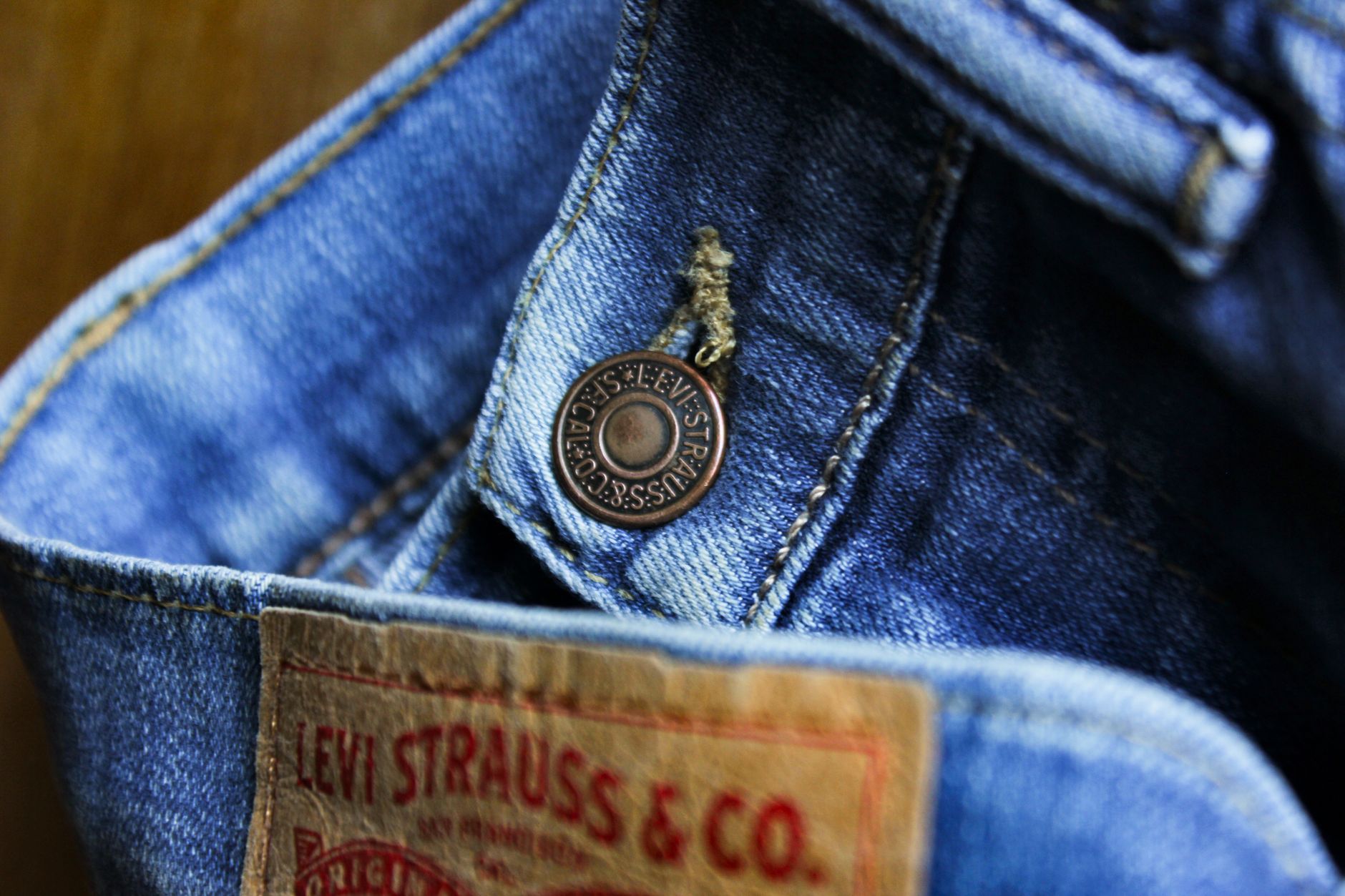
If you’d like to find out more about the Levi Strauss story, take a look here: Levi’s® History – Levi Strauss & Co: Levi Strauss & Co
However, there is more to Nîmes than denim! This city has long been on my list of French places I would like to visit, and here are some reasons why:
- Nîmes is often called the ‘French Rome’ and boasts some of the most wonderful Roman architecture. The Arena of Nîmes is one of the best-preserved Roman amphitheatres in the world. It is still used today, hosting concerts and many other forms of entertainment.

- The Maison Carrée is one of the best-preserved Roman temples from the former Roman Empire, built in the first century AD and dedicated to Augustus Caesar, the adopted son of Julius Caesar. It has been a UNESCO World Heritage Site since 2023.

- The Jardins de la Fontaine would also be on my must-see list in Nîmes. They’re a short walk from the Maison Carrée and are considered to be one of Europe’s earliest public gardens. There is plenty to admire in the gardens, including water features, statues and the remains of the Temple of Diana.

- The Pont du Gard, a Roman aqueduct and UNESCO World Heritage Site, is about 25 km from Nîmes. It is the tallest surviving Roman aqueduct bridge in the world, built in the 1st century AD as part of a nearly 50-kilometre system that carried water from a spring near Uzès to Nîmes.

Perhaps you have already visited Nîmes? Or, like me, it’s on your ‘Places To Visit’ list? I’d love to know
I will be sharing this post on #PoCoLo

Discover more from Fancying France
Subscribe to get the latest posts sent to your email.


Nîmes sounds fantastic, added to the travel list (which only ever seems to get longer and longer!)
LikeLiked by 1 person
As does mine! I’m enjoying your posts from Kent 😘
LikeLike
Such an interesting read! I had no idea denim’s roots tracked back to France. It’s amazing how a fabric that took over America in 1853 completely reshaped global fashion. I love denim!
LikeLiked by 1 person
Thank you. I think the history and development of denim is fascinating!
LikeLiked by 1 person
Love the last photo! 🙂 Funny that I should read this post today. I just learned the origin of the word denim yesterday!
LikeLiked by 1 person
I wish i had taken that photo! Thanks for dropping by.
LikeLiked by 1 person